












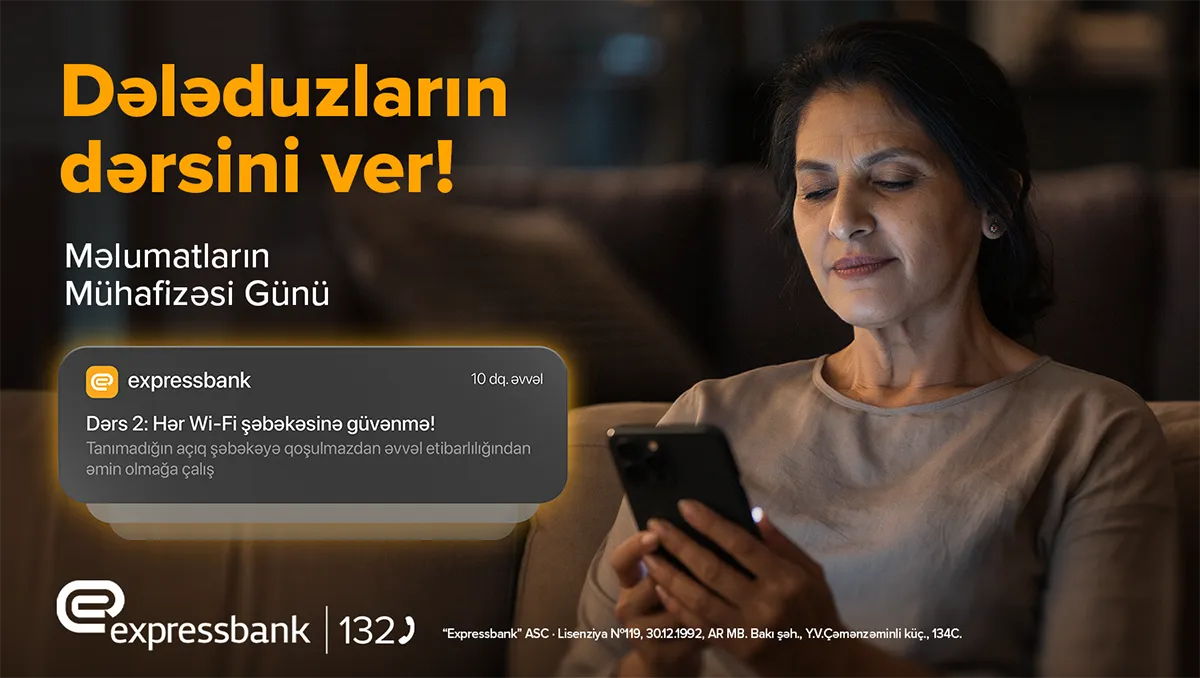
Teach fraudsters a lesson!
Protect the security of your data!
Being informed in the digital world means "teaching fraudsters a lesson"—and perhaps even more. What fraudsters love most are your hasty decisions, and what they fear most is your knowledge of the rules. The objective of this article is simple: to make protecting your data a daily habit and outsmart the scammers.
Protect your data: Do not share your OTP code
Let’s agree that digital payments have made our lives significantly easier: we transfer money, shop online, and complete transactions within seconds using mobile banking. However, this convenience also has its risks, such as cyber fraud. By urging you with phrases like "click now," "log in immediately," "hurry," or "confirm now," fraudsters leverage technology against human emotions. This concise and practical security guide under the "Protect Your Data" heading will remind you of—and perhaps teach you—crucial safety habits.
Lesson 1: Do not share your OTP code
The OTP (One-Time Password) code sent by the bank is intended solely for you to confirm your latest transaction. Revealing this code to anyone is equivalent to handing the keys to your home to a stranger.
The Golden Rule: Never share your OTP code with anyone. Do not share any passwords or PINs with people claiming to be "bank representatives," those alleging "there is a problem with your card," or those saying "a transaction is occurring on your behalf, provide the code so we can cancel it."
The most common phrases used by fraudsters:
-
"Money is being withdrawn from your account; if you don't confirm now, it will be too late";
-
"Your card is blocked; we need the code to unblock it."
These phrases are designed to induce panic, with the sole purpose of obtaining your OTP code. Security is reinforced by bank systems and perfected by your habits. When you remain vigilant, fraudsters get the message.